You don’t have to look hard to see how a commercial roof replacement gives way. It is seldom an overnight affair. First you will have a drip in the storage room, a ceiling tile that is too damp, or some unaccountable stain on the wall. Give it a rainy season and that minor nuisance has become a monster on your budget.
Some might call replacing a commercial roof a painful line item in the ledger. But put it off and you will be out more. Water has a way of exploiting any weakness. Once it is in, it doesn’t stop at the surface; it will make short work of your insulation, electricals, inventory and even the structure itself. Think of a leak as a houseguest who never leaves and makes himself at home in your fridge.
How to Tell Your Roof Has Run Its Course
The age of the building is a dead giveaway. TPO, EPDM, metal or modified bitumen may all wear in their own way, but they are not immortal and most have a set life expectancy.
Keep an eye out for:
- Leaks popping up in various spots
- Puddles that are still there days after it has rained
- Open seams or a cracked membrane
- An uptick in your energy bill
- Any sign of mold or moisture within the building
- Blisters, bubbling or general deterioration of the surface
You can fix one leak. When you have ten in as many places, it is a different matter.
The Point of Diminishing Returns on Repairs
There is a cycle many owners get into. The contractor comes in and puts a patch on it. A couple of months go by and you have another problem. And another.
Eventually you are putting bandages on a sinking ship.
On paper a replacement is a big cost. But then you factor in the emergency calls, the labor, the materials and the operational downtime. The numbers don’t lie. I heard a facility manager say he was on a first name basis with his roofing contractor’s children, if not his neighbors. He was being facetious, but it was an expensive kind of joke.
Then there is the matter of efficiency.
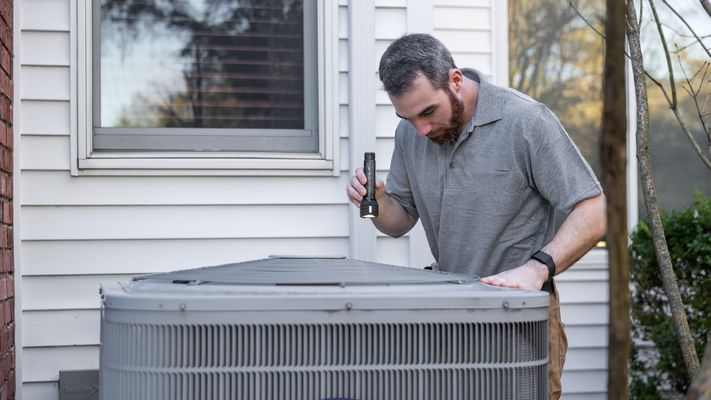
An old system won’t insulate well. In the summer the heat gets in, and your conditioned air is lost all year round so the HVAC has to overwork. Newer materials offer far better thermal performance. For a warehouse or retail center, the drop in energy use will recoup some of what you spent on the new roof. Over time those savings are no small thing.